

(Picture: Reproduction)
Uruguay challenges old habit and starts plan to abandon the dollar in the economy
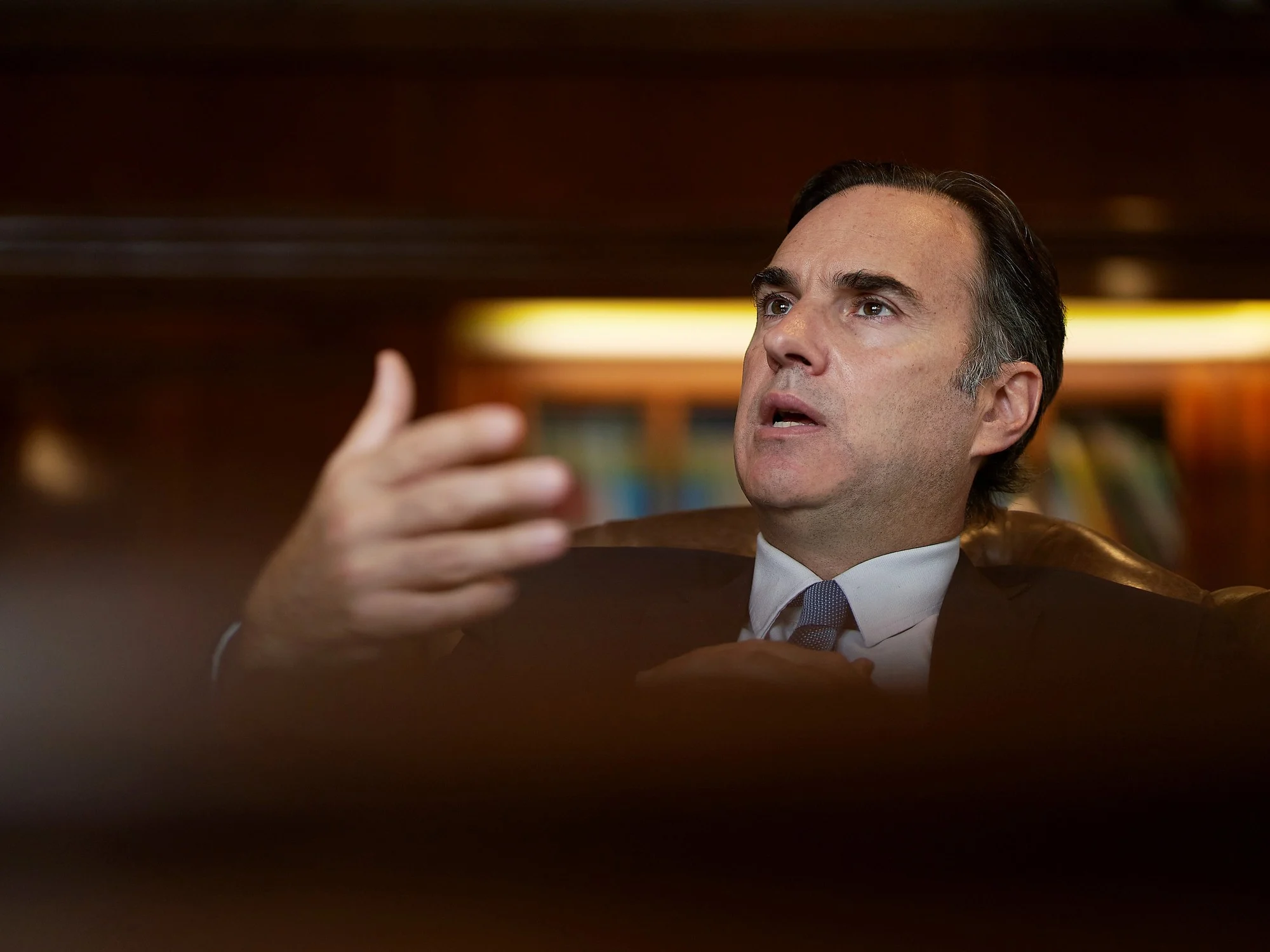
Central Bank President warns that saving in American currency is a “casino bet” and follows the opposite path of neighboring Argentina.
Uruguay is known for its financial stability, but it carries a historical addiction: dependence on the dollar. Now, the country is preparing for a radical change. Led by Guillermo Tolosa, President of the Central Bank of Uruguay (BCU), a new campaign aims to convince the population that using the Uruguayan peso is more advantageous than keeping savings in United States currency.
The initiative, reported by Bloomberg, marks a profound cultural shift. The goal is to strengthen the local currency and develop a capital market that helps companies and families access credit more fairly and efficiently.
<h3>1. The plan to strengthen the Uruguayan peso</h3> Starting next year, the Uruguayan government will implement concrete measures to make the peso more attractive. The strategy is not just educational but also regulatory.
Key actions include:
-
Change for banks: Increasing capital requirements for loans made in dollars, making them less attractive to institutions.
-
Incentive for the peso: Eliminating certain obligations (reserve requirements) for deposits made in the local currency.
-
Clear pricing: Officials are studying a requirement for companies that charge in dollars to also clearly display the price in Uruguayan pesos.
<h3>2. Saving in dollars is like playing at a casino</h3> To convince the public, Guillermo Tolosa has used direct and harsh language. According to him, the habit of running to the dollar is a reflection of crisis times that the country has already overcome.
In September, he asked business leaders to “drop the pacifier,” referring to the dependence on foreign currency. Tolosa argues that in the current scenario, “investing in dollars is a kind of ‘timba’, a casino bet.” The warning is based on data: dollar checking accounts have lost half of their purchasing power in the last two decades in Uruguay.
<h3>3. Going against the grain of Milei’s Argentina</h3> The policy of President Yamandú Orsi’s government creates a fascinating contrast on the Rio de la Plata. While Uruguay tries to “dedollarize,” Argentina follows the opposite path.
Argentine President Javier Milei promotes an agenda where the dollar takes center stage, allowing contracts and salaries in American currency and flirting with the idea of eliminating the Argentine peso in the future. These are two neighbors with opposing economic strategies to deal with inflation and growth.
<h3>4. Why do Uruguayans love the American currency?</h3> The “passion” for the dollar in Uruguay did not happen by chance. It is the result of economic traumas in the second half of the 20th century when high inflation destroyed the value of local money.
Today, this culture is rooted in daily life:
-
More than two-thirds of bank deposits are in dollars.
-
ATMs offer the option to withdraw American currency.
-
High-value goods, such as houses and cars, are almost always negotiated in dollars.
<h3>5. The challenge of low inflation</h3> For Tolosa’s plan to work, changing banking rules is not enough; confidence must be maintained. Economist Aldo Lema, from Vixion Consultores, explains that authorities need to prove that the peso is safe.
To do this, the goal is to lower inflation to 3% per year and keep it stable for a long time, following Peru’s successful example. Currently, the Central Bank of Uruguay has managed to keep inflation controlled, hovering around 4.5% in the last six months, which gives hope that dedollarization is finally possible.

Resumo em Português:
O Banco Central do Uruguai, liderado por Guillermo Tolosa, lançou um plano para reduzir a dependência do país em relação ao dólar, incentivando o uso do peso uruguaio. As medidas incluem novas regras bancárias e campanhas de conscientização, alertando que poupar em dólar gerou perda de poder de compra. A estratégia contrasta com a da vizinha Argentina, onde Javier Milei promove o uso da moeda americana.
Resumen en Español:
El Banco Central de Uruguay, liderado por Guillermo Tolosa, lanzó un plan para reducir la dependencia del país respecto al dólar, incentivando el uso del peso uruguayo. Las medidas incluyen nuevas reglas bancarias y campañas de concientización, advirtiendo que ahorrar en dólares ha generado pérdida de poder adquisitivo. La estrategia contrasta con la de la vecina Argentina, donde Javier Milei promueve el uso de la moneda estadounidense.