

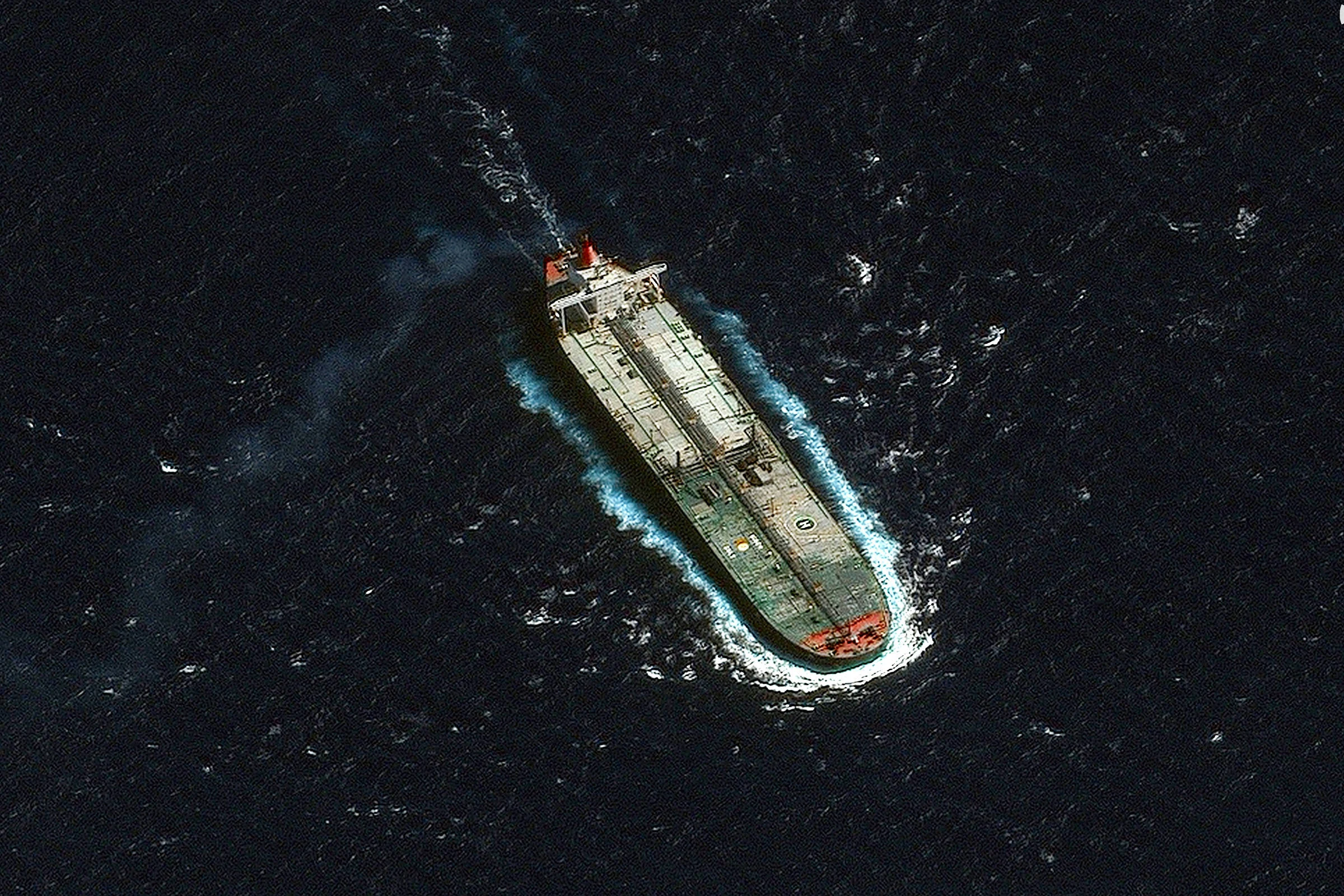
(Picture: Vantor)
Tanker Seizure by US exposes clandestine oil route between Venezuela and Cuba
Operation in international waters reveals how Caracas and Havana keep energy flow active, defying the economic blockade and Washington’s enforcement strategies.
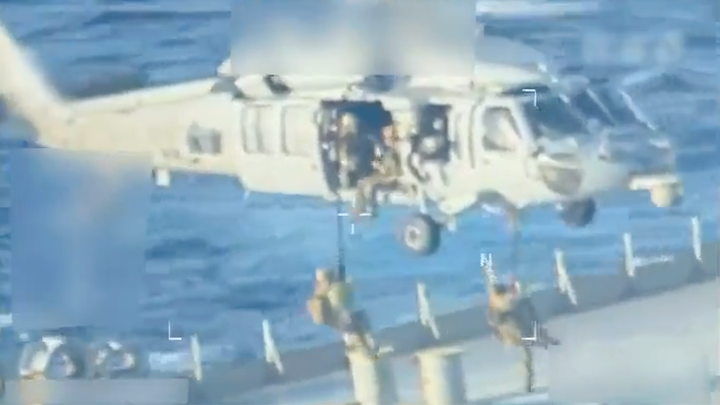
The recent capture of a tanker by United States authorities has shed light on the inner workings of a complex trade network connecting Venezuela to Cuba. The vessel, intercepted in international waters, was carrying a cargo of Venezuelan oil bound for the Caribbean island, evidencing that despite the strict sanctions regime imposed by Washington, clandestine trade routes between the two allies remain operational and resilient.
Sanctions and survival strategies
American sanctions are primarily aimed at economically stifling the governments of Nicolás Maduro and Miguel Díaz-Canel, severely limiting their access to the global financial system and the international commodities market. However, the tanker incident demonstrates the adaptability of these regimes. The existence of sophisticated logistics operations proves that Caracas and Havana have developed effective “survival strategies” to bypass the blockade, ensuring the minimum functioning of their economies through alternative channels.
Cuban dependence on Venezuelan black gold
The energy relationship between the two countries is the pillar of this resistance. Venezuela acts as a vital oil supplier to Cuba, a dependence that has deepened with the tightening of external restrictions. This exchange is not merely commercial but strategic for the political and economic stability of both nations, which are united by strong ideological ties. The trade network exposed by the seizure suggests that evasion mechanisms—which often involve turning off transponders and ship-to-ship transfers on the high seas—are well-established and institutionalized.
Challenges for american foreign policy
The discovery and disruption of this route raise questions about the current effectiveness of sanctions as a tool of political pressure. For the US administration, the episode underscores the ongoing challenge of preventing sanctioned nations from obtaining essential resources. Analysts point out that to tighten the net, a review of enforcement strategies will be necessary, including stricter monitoring of maritime activities in the Caribbean and more intense international cooperation to track the so-called “dark fleet” operating on the fringes of international law.
Resumo em Português:
A matéria analisa a captura de um petroleiro pelos EUA, revelando uma rede ativa de comércio de petróleo entre a Venezuela e Cuba que desafia as sanções americanas. O texto destaca a dependência energética de Cuba em relação à Venezuela e como ambos os países utilizam táticas clandestinas para manter suas economias, levantando questões sobre a eficácia da fiscalização e da política externa de Washington na região.
Resumen en Español:
El artículo analiza la captura de un petrolero por parte de EE. UU., revelando una red activa de comercio de petróleo entre Venezuela y Cuba que desafía las sanciones estadounidenses. El texto destaca la dependencia energética de Cuba respecto a Venezuela y cómo ambos países utilizan tácticas clandestinas para mantener sus economías, planteando interrogant