

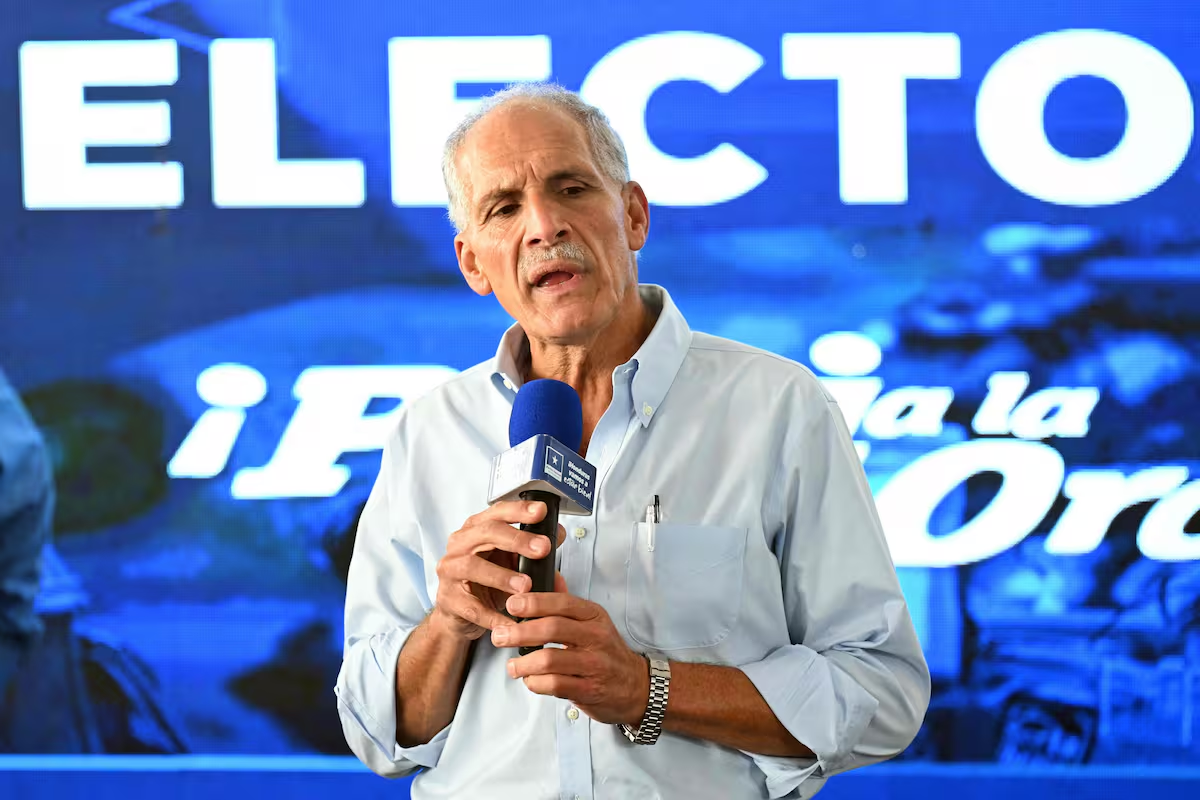
(Picture: Moises Castillo)
Honduras confirms right-wing turn with Asfura victory and strong US influence
After 24 days of counting and a minimal margin of votes, the new president takes office under the shadow of direct promises and pressures from Donald Trump.
The political map of Latin America has gained a new color. Honduras has officially declared the victory of Nasry Asfura, popularly known as “Papi a la Orden,” for the country’s presidency. The confirmation came after a tense and lengthy vote count that dragged on for nearly a month.
With this result, Tegucigalpa aligns itself with the growing bloc of allies of President Donald Trump in the region, joining countries like Chile, which also recently elected a right-wing government. However, Asfura’s victory was not just a local contest; it reignited the debate about the extent of Washington’s influence on Latin American voters’ decisions.
A tight and contested victory
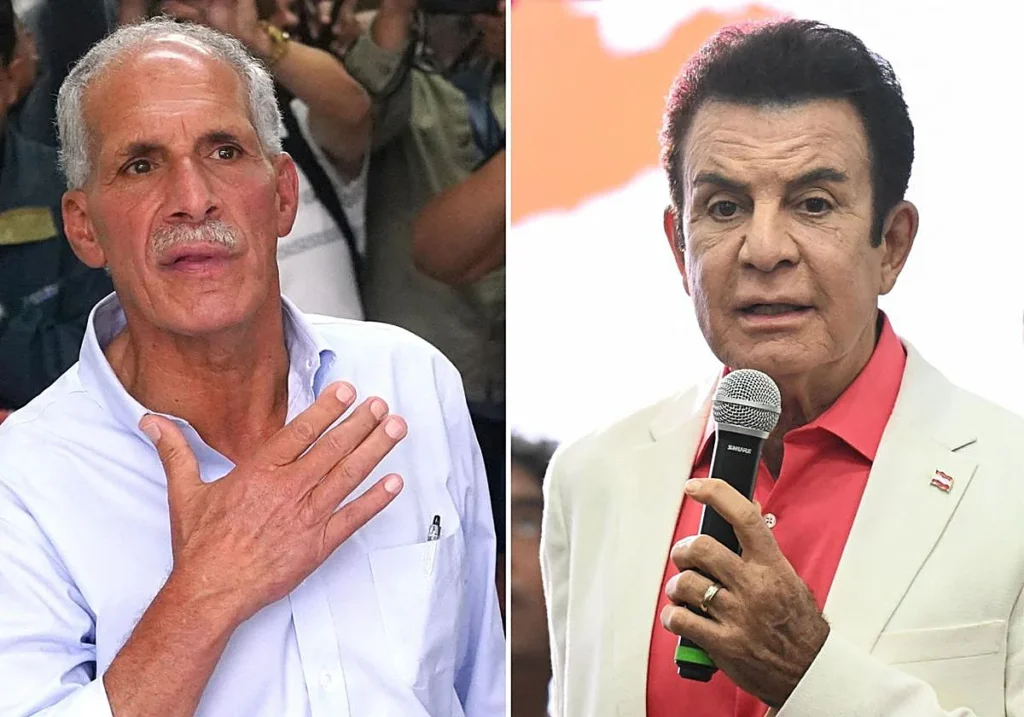
The difference at the polls was minimal. Asfura defeated liberal candidate Salvador Nasralla by a margin of just 0.76%.
This narrow lead, combined with the 24-day delay to make the result official, generated a wave of distrust. The opposition, led by the LIBRE party of outgoing president Xiomara Castro, denounced the process as an “electoral coup d’état,” alleging fraud and foreign imposition.
The “Trump factor” in the voter’s decision
The most controversial point of the election was Donald Trump’s direct intervention. In the final stretch of the campaign, when polls showed Asfura trailing his opponent, Trump used his social media to send a clear and direct message to Hondurans.
The message was a mix of promise and threat:
-
The incentive: If Asfura won, the US would support the country economically, facilitate trade, and help migrants.
-
The warning: If he lost, the US would not “spend good money” on a leader they considered wrong.
For a country where remittances from migrants living in the US are vital to the economy, these statements carried decisive weight.
The pardon controversy and drug trafficking
Asfura’s victory takes place in a complex internal scenario. The political situation was aggravated by the pardon granted to former president Juan Orlando Hernández, a major figure in Asfura’s own party.
Hernández had been convicted of drug trafficking and holds high popular rejection. The judicial pardon granted to him deepened polarization and angered part of the population, but, surprisingly, it was not enough to prevent the right’s victory at the polls.
International recognition and the “Donroe Doctrine”
Despite internal protests, the international community was quick to validate the new government. US Secretary of State Marco Rubio welcomed the president-elect, followed by an extensive list of allied governments in the region:
-
Panama
-
Costa Rica
-
Dominican Republic
-
Argentina
-
Peru
-
Ecuador
-
Paraguay
-
Bolivia
Even China recognized the victory, despite Asfura having promised during the campaign to break with Beijing to reconnect with Taiwan. Analysts call this new phase of American intervention the “Donroe Doctrine” (a play on words with Donald and the old Monroe Doctrine), characterized by more aggressive electoral influence in the region.
The “terrible year” for the Latin left
The defeat in Honduras marks a difficult period for the left in Latin America, which has seen its candidates lose in countries such as Ecuador, Bolivia, and Chile.
However, the political game continues. Focus now turns to 2026, where left-wing governments in Brazil and Colombia will try to maintain their power projects, while Peru and Costa Rica prepare for elections that promise to be equally contested and influenced by the external scenario.
Resumo em Português:
Nasry Asfura venceu as eleições presidenciais de Honduras por uma margem mínima de 0,76%, consolidando uma mudança política à direita no país. A vitória foi marcada pela influência direta de Donald Trump, que prometeu benefícios econômicos caso Asfura fosse eleito. O resultado, reconhecido rapidamente pelos EUA e aliados regionais, ocorre em meio a protestos da esquerda e polêmicas envolvendo o indulto ao ex-presidente Juan Orlando Hernández.
Resumen en Español:
Nasry Asfura ganó las elecciones presidenciales de Honduras por un margen mínimo del 0,76%, consolidando un giro político a la derecha en el país. La victoria estuvo marcada por la influencia directa de Donald Trump, quien prometió beneficios económicos si Asfura era elegido. El resultado, reconocido rápidamente por EE. UU. y aliados regionales, se produce en medio de protestas de la izquierda y polémicas en torno al indulto al expresidente Juan Orlando Hernández.